


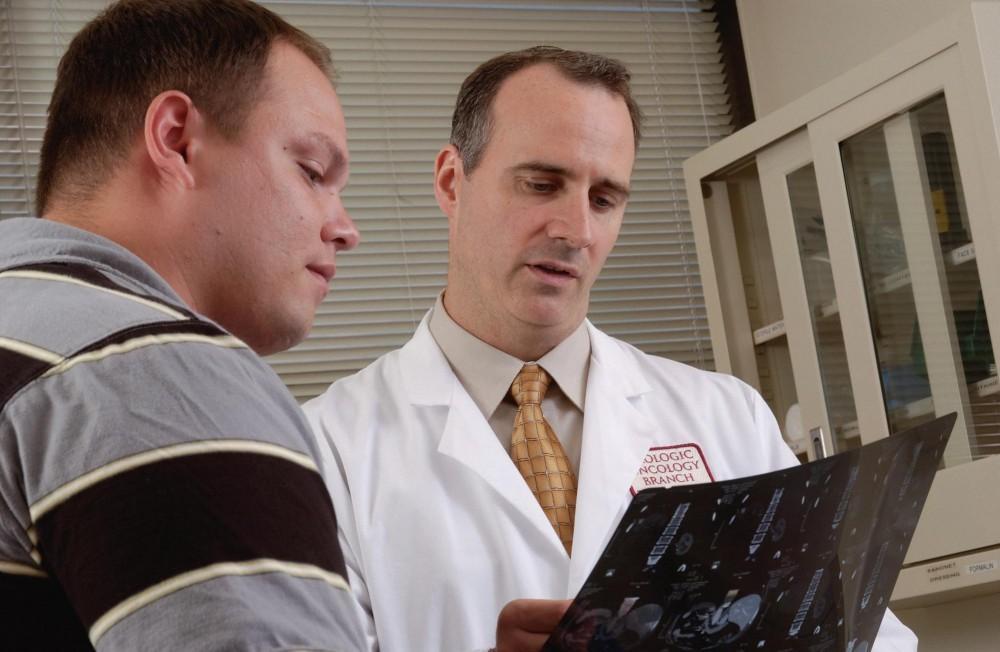
Most people end up at a cardiologist’s office one of two ways. Either a primary care doctor referred them for a specific reason like elevated blood pressure, an irregular heartbeat, or a family history of heart disease, or they noticed something themselves and decided to skip the wait and book directly.
Either way, a first cardiology visit can feel weightier than other doctor appointments. The heart is involved, and the unknown is uncomfortable. Knowing what actually happens at that first visit takes most of the edge off.
Before the appointment
A few things to do ahead of time:
- Gather records: any prior EKGs, lab work, imaging, or hospital discharge papers. If they’re already in a shared system the office can pull them, but bringing copies never hurts.
- List your medications: every prescription, every supplement, dosages included. Heart medications interact with a lot of common drugs, and the cardiologist needs the full picture.
- Write down family history: who in your family had heart disease, at what age, and what kind. Early heart disease in a parent or sibling is one of the strongest predictors of risk.
- Note your symptoms: when they started, what triggers them, how often they happen, what makes them better or worse. Vague answers slow the visit down. Specific ones speed it up.
Wear something easy to change out of. There’s a good chance an EKG will be part of the visit, which means electrodes on the chest.
What happens in the office
Most first visits run 45 minutes to an hour and follow a similar arc.
Vitals and intake. Blood pressure in both arms, heart rate, height, weight. A nurse or medical assistant runs through the medication list and the reason for the visit.
More Read

EKG. A 10-second resting EKG is standard at most first cardiology visits. It records the heart’s electrical activity and gives the cardiologist a baseline.
The conversation. This is the longest part of the appointment. The cardiologist asks about symptoms, lifestyle, family history, and any prior cardiac issues. Expect questions about chest pain, shortness of breath, palpitations, dizziness, swelling in the legs, and exercise tolerance, even if those aren’t why you came in.
Physical exam. Listening to the heart and lungs, checking the pulses in the neck and feet, looking for signs of fluid retention. Quick but informative.
The plan. At the end, the cardiologist walks through what they think is going on and what comes next. That might mean additional testing like an echocardiogram, stress test, or Holter monitor. It might mean medication adjustments. It might mean reassurance that everything looks good and a follow-up in a year.
Common tests that get ordered
Not every test below is needed for every patient, but these are the ones most often discussed:
- Echocardiogram: ultrasound of the heart. Shows the structure of the chambers and valves and how well they’re moving.
- Stress test: monitors the heart during exercise or with medication that simulates exercise. Used to evaluate chest pain or check for blocked arteries.
- Holter monitor: a small device worn for 24 to 48 hours that records every heartbeat. Used when palpitations or skipped beats are the concern.
- Coronary CT or angiogram: imaging of the coronary arteries. Reserved for higher-suspicion cases.
- Lab work: cholesterol panel, blood sugar, kidney function, sometimes specialized markers depending on the picture.
Most of these are scheduled separately, often within the same week or two.
Questions worth asking
A first cardiology visit is also a chance to get clarity. A few questions that tend to be useful:
- Based on what you’re seeing, what’s my biggest cardiovascular risk factor?
- Is there anything in my family history that should change how we monitor things?
- Are there changes I can make on my own that would meaningfully move the needle?
- What symptoms should send me back in or to the ER, versus what’s worth watching?
A good cardiologist will answer these in plain language without rushing.
Picking the right practice
For patients in the Woodlands and Shenandoah area, Healthy Living Heart and Vein has a cardiologist in The Woodlands offering same-week new patient appointments and on-site testing. The same practice handles vein and vascular care, which keeps records consolidated for patients managing both heart and vascular concerns.
The biggest mistake people make is putting off the first visit. Most cardiology issues are easier to manage when they’re caught early, and the worst-case scenario most patients fear at the first appointment turns out to be far less common than expected.
- Leveraging Data and AI for Effective Marketing Campaigns
- 6 Brand Kit Partners That Make Custom Trucker Hats Work Harder
- Benefits of a Multidisciplinary Approach in Orthopedic Care
- A Simple Guide to Managing Monthly Repayments on a Personal Loan
- How Employers Can Build a Stronger Financial Wellness Benefit for Hourly Workers