


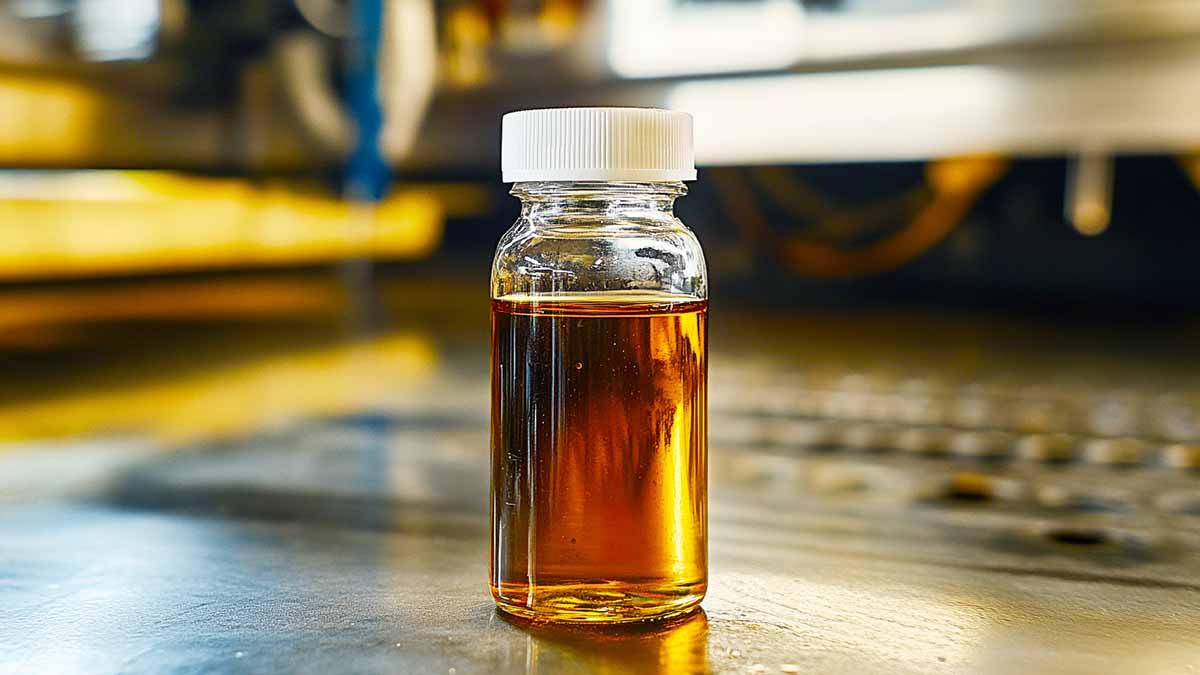
Your pee knows things your blood doesn’t.
I know how that sounds. But after years of watching people chase answers through blood panels that keep coming back “normal,” the organic acid test is the one that finally gives them something to work with. Not because it’s magic. Because it’s measuring a completely different slice of what’s happening inside you, the chemistry of your metabolism in motion rather than the static snapshot a blood draw gives.
And honestly? Most people don’t get much value out of the test. Not because it’s a bad test. Because nobody walks them through what the report actually says. You get 60-something markers back, half of them flagged, chemical names that look like a high school worksheet, and you’re left googling at 11 pm, wondering if you’re dying.
You’re not. But you do deserve a proper explanation. So here’s one.
What It’s Actually Measuring
Organic acids are leftovers. Tiny molecular scraps your body spits out after doing various jobs, energy production, neurotransmitter making, toxin clearing, and dealing with whatever weird things your gut microbes got up to last night. All of that leaves a trail, and the trail ends up in your urine.
Measure those leftovers and you can see a lot:
- How well your mitochondria are actually producing energy (this matters more than you’d think)
- Whether your body’s building dopamine, serotonin, and norepinephrine at reasonable rates
- Signs of yeast overgrowth, bacterial funk, and fungal squatters in your gut
- Whether your liver’s keeping up with detox or quietly drowning
- Functional shortages of B vitamins, CoQ10, biotin, certain amino acids
- How much oxidative stress are your cells dealing with
A full panel usually covers 60 to 75 markers. Which is exactly why the reports feel overwhelming. They are.
Is This Test Even For You
Probably not, if you’re generally healthy and things are working. Worth the money if you’re not.
The people who get the most out of an organic acid test tend to fall into a specific bucket. They’ve been tired for ages and nobody can explain it. They’ve got brain fog that keeps getting labelled “stress.” Their energy or mood hasn’t responded to the usual approaches
Their kid’s struggling and the paediatrician keeps saying “let’s wait and see.” Their gut is a mess and the stool test came back fine. They’ve been on a healing journey for two or three years and the puzzle pieces still don’t line up.
If that’s you, the test usually shows something. Sometimes several somethings.
Before You Collect The Sample
This is the part people mess up the most. And if you mess it up, you’re paying for distorted results.
Rules vary slightly by lab, so follow yours. But the common ones:
- No apples, grapes, pears, or cranberries (or juice versions) for at least a day before. They mess with the yeast markers.
- Skip vitamin C and B-vitamin supplements for 24 to 48 hours. Unless your practitioner says otherwise.
- Don’t start or stop antibiotics or antifungals in the 72 hours before. You want a clean baseline, not a disturbed one.
- First-morning urine. It’s more concentrated, which means cleaner signal from overnight metabolism.
The actual collection is anticlimactic. Pee in a cup, transfer to the vial, freeze it if you’re not shipping immediately, drop it with the carrier. Takes a minute.
Opening The Report Without Freaking Out
Almost everyone panics the first time. Red and yellow everywhere. Chemical names you can’t pronounce. Numbers outside reference ranges. It looks bad.
Breathe. It’s usually not.
The useful mental model:
| What You See | What It Probably Means |
| One marker slightly out of range | Noise. Don’t worry about it in isolation. |
| A cluster of elevated markers in one system | A real pattern. Worth digging into. |
| Extreme elevations, 2x or 3x the range | Actually needs attention. |
| Almost everything flagged | Usually one upstream problem creating 30 downstream symptoms. Not 30 separate problems. |
That last row is the one I wish more people understood before they saw their report. When everything looks terrible, it’s often a single root issue cascading. Fix the root, most of the downstream noise clears on its own.
Patterns Worth Knowing
A few signatures show up often enough that even without medical training you can start to recognise them.
The energy crisis. Lactate, pyruvate, or citric acid cycle intermediates running high. Mitochondria struggling to do their job cleanly. Often paired with low CoQ10 or low B-vitamin markers. Super common in chronic fatigue cases.
The yeast signature. Arabinose up, tartaric acid up, fungal metabolites elevated. Classic pattern in folks with a long antibiotic history, a sweet tooth they can’t shake, or recurring digestive issues. Stool tests don’t always pick this up”
The neurotransmitter mix-up. HVA, VMA, 5-HIAA ratios off. That translates to dopamine, norepinephrine, serotonin metabolism being out of whack. Really useful when mood, focus, or sleep haven’t responded to the usual stuff.
The detox overload. Pyroglutamic acid, orotic acid, and sulfur-related markers were elevated. Your liver’s working overtime. Often connected to environmental exposures or genetic variants in detox pathways.
Once you know these clusters, the report stops being a wall of numbers and starts telling a story.
Okay, So Now What
A good organic acid test is a map. It’s not a treatment plan.
What you actually want next is a conversation with someone who reads these reports every week. Functional medicine doc, naturopath, nutritionist trained in metabolic health. They’ll help you prioritise, and prioritisation is where most people lose the plot. Trying to address every flagged marker at once is exactly how you end up taking 22 supplements and feeling no different by spring.
Typical sane next steps:
- Targeted nutrient support for the specific deficiencies that showed up
- A gut protocol if dysbiosis patterns were obvious
- Detox support if those pathways looked overloaded
- Retest in 3 to 6 months to confirm the plan actually moved the needle
That retest part is non-negotiable for me. Without it you’re guessing. With it, you know.
Conclusion
The organic acid test is one of the most information-rich functional tests out there, and that’s exactly why people get confused when they take it without support. Done properly, with clean prep, honest interpretation, and someone who knows what they’re looking at, it explains things that years of other testing couldn’t.
Don’t treat the report as a diagnosis. Treat it as a map. And remember the map’s only useful if someone who knows the terrain is reading it with you.
- Leveraging Data and AI for Effective Marketing Campaigns
- 6 Brand Kit Partners That Make Custom Trucker Hats Work Harder
- Benefits of a Multidisciplinary Approach in Orthopedic Care
- A Simple Guide to Managing Monthly Repayments on a Personal Loan
- How Employers Can Build a Stronger Financial Wellness Benefit for Hourly Workers