


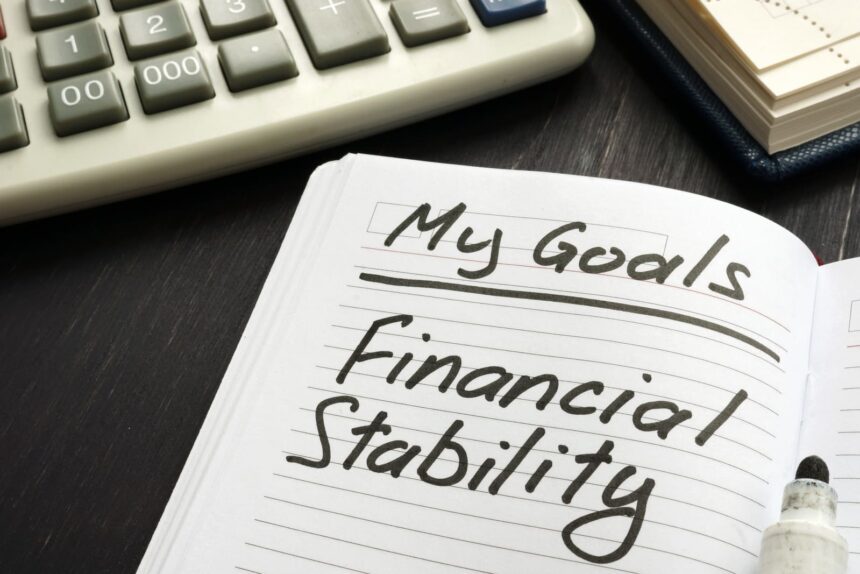
Budgeting Is Not Just About Spending Less
Budgeting often gets treated like a punishment. People hear the word and imagine cutting out everything fun, tracking every penny with guilt, and saying no to anything that makes life easier. But a useful budget is not there to make your life smaller. It is there to make your life steadier.
At its best, a budget is a stability tool. It gives your money a job before stress decides for you. When bills, groceries, debt payments, gas, rent, and surprise expenses are all competing for attention, a budget helps turn that noise into a plan. For people facing heavier financial pressure, resources like debt relief in Texas can be part of a larger effort to move from reactive choices toward more control.
A Budget Creates a Calm Place to Start
Money stress often feels chaotic because it lives in fragments. You remember one bill while forgetting another. You estimate your grocery spending, but the number is lower than reality. You know debt is there, but you avoid looking closely because the total feels uncomfortable.
A budget gathers those pieces into one place. That alone can lower stress. The numbers may not be perfect at first, and they may not be pretty, but they become visible. Once something is visible, it becomes easier to manage.
This is where budgeting becomes less about restriction and more about orientation. It answers basic questions: What is coming in? What is going out? What must be paid first? What can wait? What needs to change?
Cash Flow Is the Real Story
A lot of people think income is the main financial story, but cash flow is often more important. Cash flow is the movement of money in and out of your life. You can have a decent income and still feel unstable if money leaves faster than it arrives.
Budgeting helps you see the rhythm. Maybe your rent is due before your paycheck clears. Maybe several subscriptions hit at once. Maybe eating out is not the problem, but uneven utility bills are. Maybe the real issue is that debt payments are crowding out savings.
The Consumer Financial Protection Bureau’s budgeting worksheet can help organize income, bills, and expenses in a simple way. A clear worksheet is useful because it turns vague pressure into categories you can adjust.
Stability Comes From Priorities, Not Perfection
A budget does not have to be perfect to be useful. In fact, perfection can make budgeting harder. If you expect every category to be exact, one unexpected expense can make you feel like the whole plan failed.
A better approach is to use priorities. Start with the essentials: housing, food, utilities, transportation, insurance, and minimum debt payments. Then look at flexible categories like dining out, entertainment, subscriptions, clothing, and personal spending. Finally, give attention to savings, debt reduction, and future needs.
This order matters because stability starts with protecting the basics. Once the essentials are covered, the rest of the budget becomes a set of choices instead of a constant emergency.
Budgeting Helps You See Leaks Before They Become Floods
Small expenses are easy to ignore because they rarely feel dangerous in the moment. A few extra takeout meals, an unused subscription, a convenience purchase, or a late fee may not seem like much by itself. But repeated small leaks can quietly drain the money you need for bigger goals.
A budget does not shame you for those leaks. It shows you where they are. That gives you options. You might cancel what you do not use, set a weekly spending limit, move bill due dates, or create a separate account for fixed expenses.
The goal is not to remove every pleasure from life. The goal is to stop accidental spending from stealing money from intentional priorities.
Debt Needs a Line in the Plan
Debt can feel overwhelming when it sits outside the budget as a vague burden. When debt payments are built into the plan, they become part of a system. You can see what is due, what interest is costing you, and how much room you have to make progress.
Some people focus on the smallest balance first because quick wins build motivation. Others focus on the highest interest balance first because it can save more money over time. Either method can work if it keeps you consistent.
What matters most is that debt has a clear place in the budget. Without that structure, debt often gets handled only when pressure spikes. With structure, repayment becomes a repeated action instead of a repeated panic.
Savings Are a Stability Category
Savings should not be treated as something that only happens after everything else is perfect. If you wait for life to become completely predictable before saving, you may wait a long time.
Even small savings can create breathing room. A small emergency fund can prevent a flat tire, medical copay, or surprise bill from turning into new debt. The Federal Trade Commission’s guidance on making a budget explains that a budget can help you decide how to spend money and save for goals. That is the heart of stability: giving future needs a place in today’s plan.
If saving feels impossible, start tiny. Five dollars a week still builds the habit. The amount can grow later.
A Budget Should Match Real Life
One reason budgets fail is that they are built for an imaginary version of life. They assume no birthdays, no car repairs, no school supplies, no price changes, no emotional spending, and no busy weeks.
A strong budget makes room for reality. It includes irregular expenses. It allows some flexible spending. It gets reviewed and adjusted. It accepts that different months have different demands.
This is not weakness. It is design. A budget that cannot handle ordinary life will not last. A budget that expects change is much more useful.
Reviewing Is Where the Power Builds
Creating a budget once is helpful. Reviewing it regularly is where the real power appears. A weekly or monthly check in helps you catch problems early and adjust before stress builds.
Ask simple questions. Did spending stay below income? Which category surprised me? What bill is coming next? Can I move any money toward savings or debt? What should change next month?
These questions keep the budget alive. They also help you build financial confidence because you are no longer avoiding the numbers. You are working with them.
Budgeting Turns Panic Into Practice
Using budgeting as a stability tool is not about becoming strict, cold, or obsessed with money. It is about creating a calmer relationship with your financial life.
A budget gives your money structure. It helps you protect essentials, reduce debt, build savings, and notice problems sooner. It turns uncertainty into a plan and panic into practice.
The real value of budgeting is not that it makes life perfectly predictable. It cannot do that. The real value is that it gives you a steady place to return when life gets expensive, messy, or uncertain. That steady place can make all the difference.