


Key Signs Your Home Needs an HVAC System Replacement
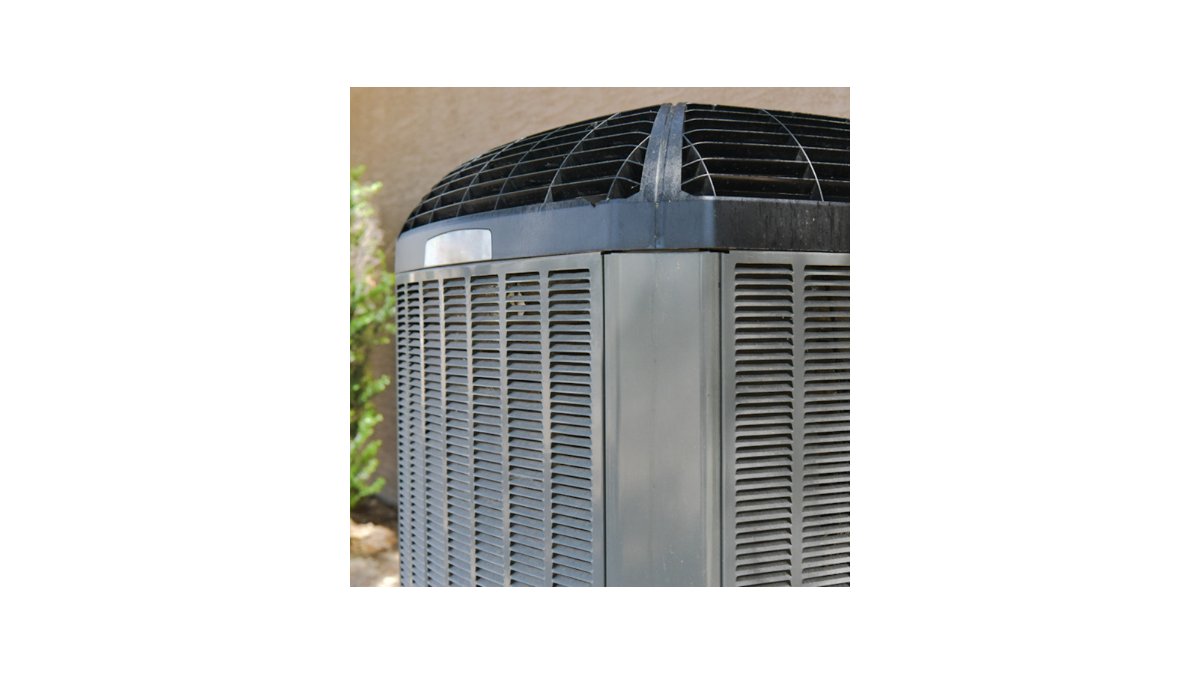
When your home’s temperature starts to climb despite the AC running at full blast, it is easy to assume a quick adjustment will solve the problem. However, there comes a time in every system’s life when minor maintenance is no longer enough. Recognizing the difference between a simple, temporary issue and the warning signs of a failing system can save you from uncomfortable days in the heat and expensive emergency service calls.
In this guide, we explore how to identify when your cooling equipment is nearing the end of its reliable lifespan. While some problems are easily managed with basic troubleshooting, others indicate that your unit has reached a point where replacement is the most cost-effective path forward. If you are struggling with a system that seems to require constant attention, seeking professional hvac repair and installation services can help you determine if your current setup is still providing the efficiency and comfort your home deserves.
Let’s take a look at the key indicators that suggest your air conditioner may be ready for a retirement, as well as the common issues you might be able to handle yourself.
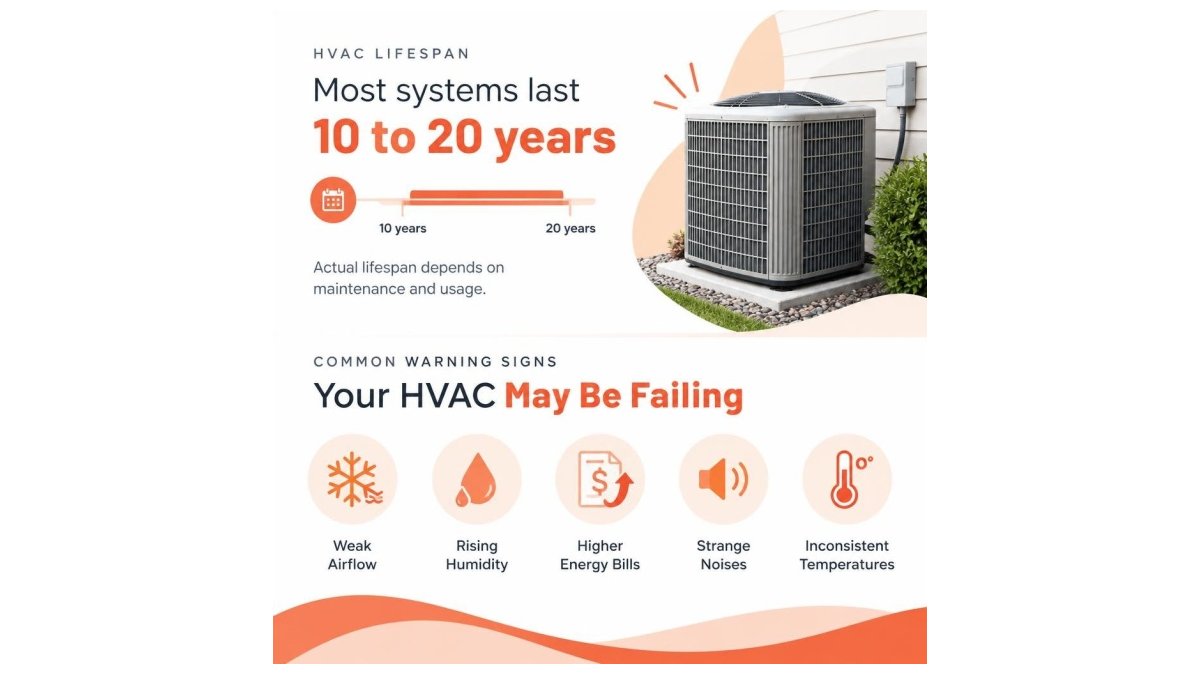
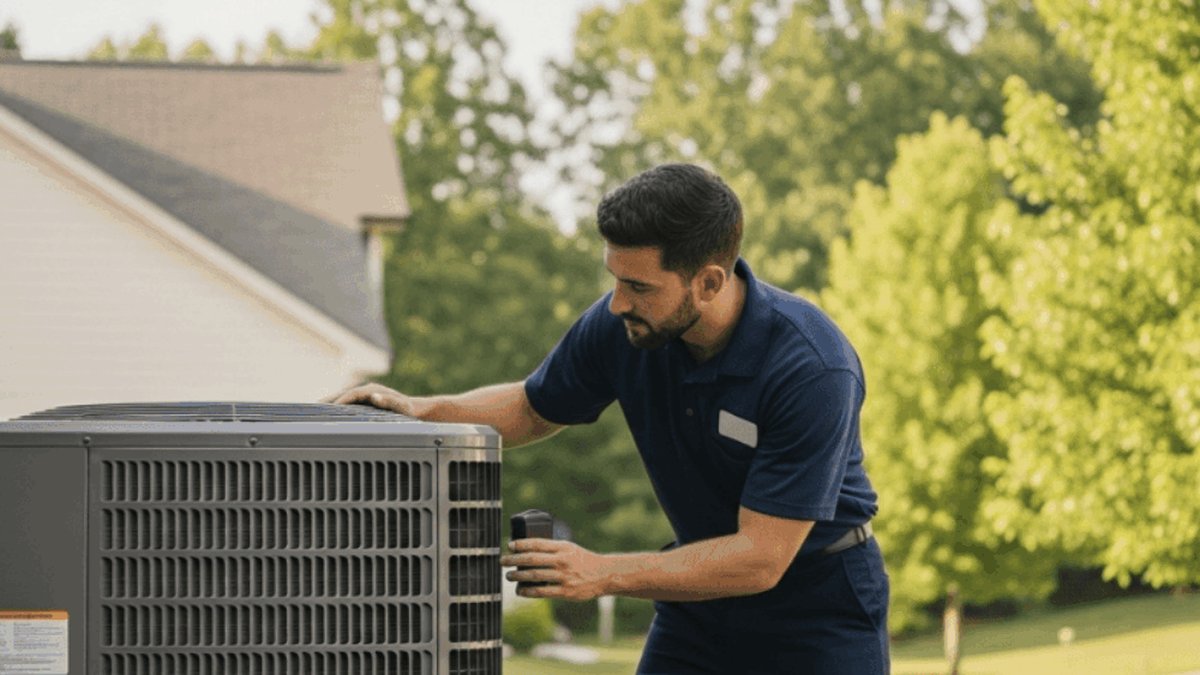
As air conditioning systems age, they naturally lose efficiency. Most units are designed to last between 10 and 20 years, but this depends heavily on how well they have been maintained. If you notice a consistent decline in airflow, rising indoor humidity levels, or energy bills that seem to climb every summer despite your usage habits remaining the same, your system may be struggling to keep up.
Modern systems are built with higher Seasonal Energy Efficiency Ratio (SEER) ratings, which measure how much cooling a unit provides for every unit of electricity it consumes. If your current unit is over a decade old, it likely operates at a much lower efficiency level than today’s standards. Furthermore, if you find yourself dealing with chronic refrigerant leaks or recurring compressor failures, the cost of these specialized repairs often outweighs the benefits of keeping the old equipment. Frequent circuit breaker trips or strange, grinding noises during operation are also red flags that the mechanical integrity of your unit is compromised.
Critical Component Breakdown
The heart of your air conditioner relies on several synchronized parts. A bad capacitor, for instance, is a common cause for a fan that refuses to start, but if your system is old, replacing one part often leads to the failure of another shortly after. Condenser fan motor failures, frozen evaporator coils, and blown fuses are standard wear-and-tear issues, but when these occur in rapid succession, it suggests that the entire electrical and mechanical framework of the unit is fatigued. Electrical contactors can pit and corrode over time, and if the motor begins to show signs of burnout, it is often a signal that the system is working far harder than it should to provide basic cooling.
More Read

Chronic Leaks and Safety Hazards
Water management is a vital function of your AC. A clogged condensate drain line is a common maintenance issue, but if you notice water pooling around the unit or a cracked drain pan, it can lead to significant water damage in your home. Beyond the physical damage, these leaks often create an environment for mold and mildew, which can lead to musty odors in your vents. If you ever notice a burning smell, it is a critical safety hazard. This often indicates an electrical short-circuit or an overheated motor. In such cases, you should turn off the power immediately and contact a professional to assess whether the unit is safe to operate.
Common Air Conditioner Failures: Quick Fix vs. Critical Damage
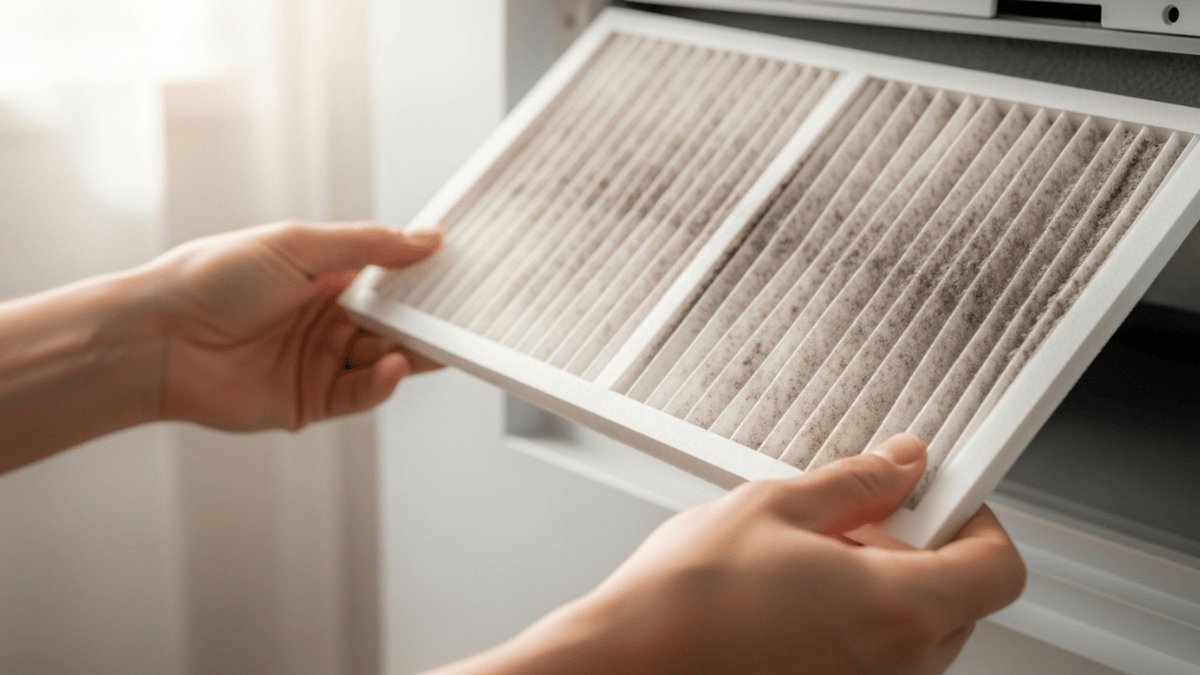
Not every AC problem requires a full system replacement. Many issues are the result of simple neglect rather than mechanical failure. Before panicking, consider whether your system is suffering from a “dirty” problem rather than a “broken” one.
Troubleshooting Airflow and Electrical Issues
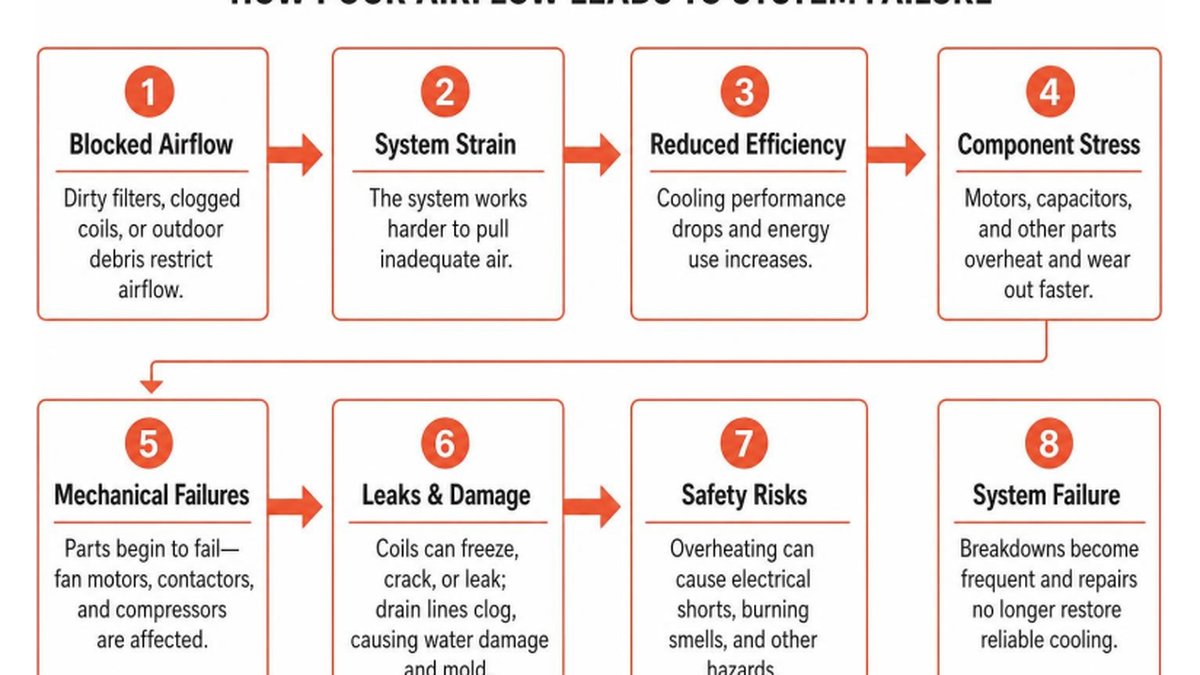
The most frequent culprit for poor AC performance is a dirty air filter. We recommend checking your filters every one to two months. A clogged filter acts like a blocked airway, forcing the system to struggle for air, which causes the evaporator coil to freeze and the cooling capacity to plummet.
Other simple fixes include:
- Thermostat Calibration: Ensure your thermostat is set to “Cool” and the fan is set to “Auto” rather than “On.” If the batteries are dead, the unit won’t receive the signal to start.
- Power Disconnects: Check the circuit breaker panel. Sometimes a simple power surge can trip a breaker.
- Outdoor Debris: Ensure there is at least two to three feet of clearance around your outdoor condenser. Grass, leaves, and foliage can block airflow, causing the system to short-cycle.
Irreversible Compressor and Coil Damage
While you can clean a filter, you cannot “fix” a compressor that has suffered a locked rotor or a coil that has extensive corrosion. If a technician informs you that there are multiple refrigerant leak points, it is often a sign that the metal tubing has become too brittle to hold a charge reliably. Additionally, if your home’s cooling needs have changed—such as after a room addition—your current unit may be undersized, meaning it will never reach the desired temperature regardless of how many repairs you perform.
Evaluating Repair Costs vs. Long-Term Equipment Value
A helpful industry guideline is the “50 percent rule.” If the cost of a repair is more than half the value of a new unit, or if the unit is over 12 years old, replacement is almost always the smarter financial move.
Financial Thresholds for HVAC System Replacement
When you invest in a new system, you aren’t just paying for the hardware; you are investing in lower monthly utility bills and the peace of mind that comes with a new warranty. Older systems often use refrigerants that are being phased out, making them increasingly expensive to recharge. By upgrading, you eliminate the risk of emergency breakdowns during the hottest weeks of the year.
Planning Your HVAC System Replacement Timeline
Don’t wait for your system to die on the hottest day of the year. If you suspect your unit is nearing the end of its life, start planning now. A professional assessment can determine if your current ductwork is sufficient or if it needs sealing. Proper BTU sizing—ensuring the unit is the correct capacity for your square footage—is essential to prevent the unit from cycling on and off too frequently.
Frequently Asked Questions About Air Conditioning Performance
Why is my air conditioner running but not lowering the temperature?
This is often caused by a dirty air filter that restricts airflow, or a low refrigerant charge that prevents the system from absorbing heat effectively. It can also occur if the outdoor condenser is blocked by debris or if the unit is simply undersized for the space.
How do I troubleshoot an AC unit that is not turning on?
Start with the basics: check if the thermostat has fresh batteries and is set correctly. Inspect your home’s electrical panel for a tripped breaker or a blown fuse. If the unit still won’t start, the issue may be a faulty fan capacitor or a clogged condensate float switch that has triggered a safety shutdown.
What causes an air conditioner to leak water inside?
The most common cause is a clogged condensate drain line, which prevents water from exiting the system. It can also be caused by a cracked overflow pan or a frozen evaporator coil that melts rapidly once the unit shuts off, overwhelming the drainage system.
Conclusion
Your air conditioning system is a significant investment in your home’s comfort. While regular maintenance and minor troubleshooting can extend the life of your unit, there comes a point where efficiency and reliability begin to wane. By staying proactive and recognizing the signs of an aging system, you can transition to a new, high-efficiency unit on your own terms rather than in an emergency. If you find that your system is constantly needing attention, reach out to professionals to discuss your options. Upgrading your cooling equipment is one of the most effective ways to ensure your home remains a sanctuary during the heat of the summer for years to come.