


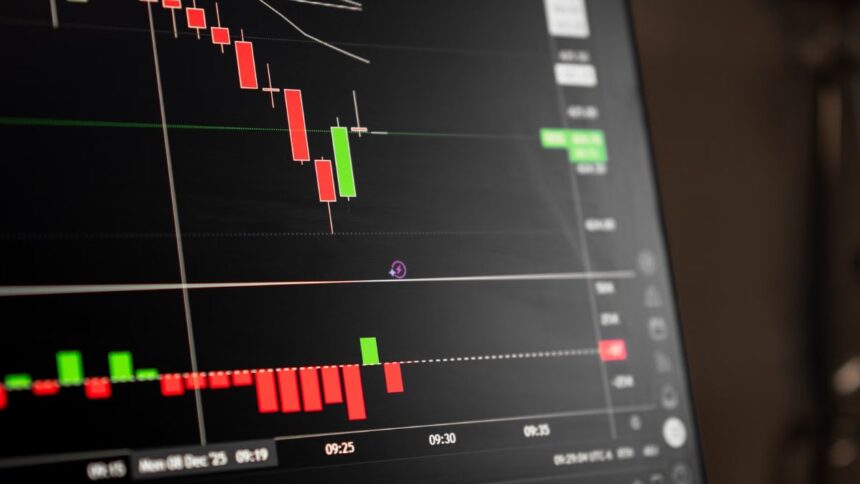
If you trade futures in more than one account, you already know the hidden cost is not commissions. It is the extra execution work. Repeating the same order across accounts can lead to late entries, mismatched stops, and position sizes that drift over time. Even a strong strategy can look inconsistent when the workflow is inconsistent. That is why many active traders look for real time trade synchronization. The goal is simple. Place a trade once, then have it replicated across accounts with the same logic and the same risk rules.
Where manual multi account trading breaks down
Copying trades by hand sounds manageable until volatility picks up.
- A delay can change your fill.
- One missed stop order can turn a controlled loss into a large one.
- Different brokers may display symbols or contract months differently.
- Switching between windows increases stress and decision fatigue.
If you are tracking performance, these differences create messy data. You are not comparing accounts fairly because execution was not identical.
What a cloud trade copier actually does
A trade copier listens to activity in a master account and mirrors it to follower accounts. In a typical futures workflow, that includes entries, exits, and attached orders such as stops and targets.
With a cloud based trade copier, the copying layer runs on remote infrastructure rather than only on your local computer. That can improve resilience if your machine crashes or your internet connection becomes unstable. It also supports multi broker trade management, where your accounts may be spread across different providers.
Use cases that benefit from real time copying
Traders often use multi account trade replication when they:
More Read

- Trade a personal account alongside one or more prop firm accounts
- Separate strategies by account for cleaner reporting
- Want to scale a system without duplicating the same clicks
Automation does not create an edge, but it can protect your edge by reducing operational mistakes.
A setup checklist that keeps risk in focus
Before you connect accounts, decide how copying should behave.
- Choose the master account you will trade from.
- Set follower sizing rules, such as 1:1, fixed size, or a multiplier.
- Add hard limits like maximum contracts per follower.
- Confirm symbol mapping and contract rollover handling.
- Test in simulation, then go live with small size and monitor fills.
What to evaluate in a copier platform
When comparing options, look for control and transparency.
- Clear status indicators so you can spot disconnects quickly
- The ability to pause copying without closing your trading platform
- Flexible sizing and account mapping for different risk profiles
If you want a concrete reference point, review the TradeSyncer trade copier. It is positioned as a cloud platform for synchronizing trades across multiple accounts and brokers, and it highlights large scale usage, including 300M plus trades synced.
Risk reminder
Futures trading involves substantial risk of loss. Copying trades across multiple accounts can amplify both gains and losses. Start small, keep limits in place, and understand margin requirements at each broker before scaling up.
- Cut execution errors with multi broker trade management for futures
- IV Vitamin Therapy in Marlton, New Jersey: Questions to Ask Before Choosing an Infusion
- How to Find the Best Freelance Job Opportunities
- Health Insurance Technology Solutions: the catalyst that makes businesses retain talent better
- Advanced Digital Marketing Strategies for Business Growth