


Critical Breakthroughs in Peptide Research and Science
In the rapidly evolving landscape of peptide science and research, maintaining the integrity of these vital molecular compounds is paramount. Peptides are crucial for drug discovery, therapeutic development, and various scientific investigations. However, their inherent delicacy means their stability can easily be compromised by environmental factors.
Proper storage is not merely a convenience; it is an essential component of reliable research and effective clinical application. The stability of peptides directly influences experimental outcomes and the efficacy of treatments. Without precise preservation, valuable samples can degrade, leading to inaccurate data and wasted resources.
This article will explore how specialized, durable peptide storage boxes are advancing laboratory science. We will examine the critical features, materials, and best practices that ensure the potency and safety of these biomolecules. Our focus will be on how these robust solutions uphold the rigorous standards of modern research, from small lab settings to large-scale clinical operations.
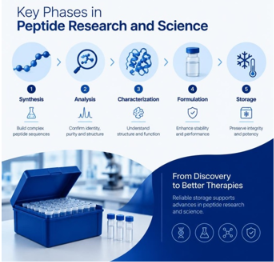
The field of peptide research has witnessed remarkable progress, largely due to advancements in synthesis and analytical techniques. Early breakthroughs, such as the development of solid-phase synthesis by Merrifield, revolutionized our ability to create complex peptide sequences efficiently. This paved the way for molecular sequencing techniques that allow for precise identification and characterization of these biomolecules. The interplay between these methods has been fundamental in accelerating therapeutic design, enabling researchers to engineer peptides with specific biological activities and enhanced stability profiles.
Analytical chemistry and structural biology continue to provide deeper insights into peptide structure-function relationships. Techniques like mass spectrometry, NMR spectroscopy, and X-ray crystallography offer high-resolution data on peptide conformation and interactions, which are crucial for understanding their behavior and designing more effective storage solutions. The journey of a peptide from synthesis to therapeutic application is complex, involving numerous stages where its integrity must be meticulously preserved.

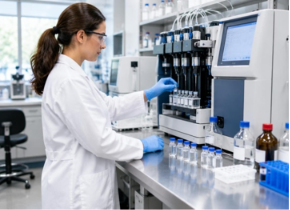
These scientific advancements underscore the need for equally sophisticated storage solutions. As we push the boundaries of what peptides can achieve in medicine and biotechnology, ensuring their molecular stability through robust cold-chain storage and adherence to stringent laboratory protocols becomes non-negotiable. The evolution of peptide research itself demands an evolution in how we protect these valuable compounds.
Modern Peptide Research and Science Methodologies
Modern peptide research relies on a sophisticated toolkit of methodologies to ensure the quality and efficacy of peptide products. Recombinant expression techniques allow for the large-scale production of complex peptides, often with modifications that enhance their therapeutic potential. Following synthesis or expression, rigorous purity assay methods are employed to confirm the absence of impurities that could compromise peptide activity or safety. Chromatography, particularly high-performance liquid chromatography (HPLC), remains a cornerstone for purifying and analyzing peptides, providing critical data on their composition and homogeneity.
Analytical validation is an ongoing process throughout the peptide lifecycle, from initial synthesis to final formulation. This involves a battery of tests to confirm identity, purity, potency, and stability. For those interested in a deeper dive into the foundational principles and ongoing developments in this field, this resource provides valuable insights into the broader landscape of peptide science and research. The meticulous application of these methodologies directly impacts the design and requirements for their subsequent storage, emphasizing the need for containers that can withstand the rigors of laboratory handling and preservation.
Therapeutic Applications and Peptide Integrity
The therapeutic landscape has been significantly transformed by peptides, with a growing number of peptide-based drugs addressing a wide range of conditions. GLP-1 analogs, for instance, have become pivotal in the management of type 2 diabetes and obesity, demonstrating the profound clinical impact of these molecules. However, the efficacy of these therapies is inextricably linked to peptide integrity. Peptide degradation, which can occur through various mechanisms such as hydrolysis, oxidation, or aggregation, can lead to a loss of biological activity, the formation of potentially immunogenic byproducts, or a reduction in shelf life.
Maintaining peptide stability is therefore a critical concern. Researchers and clinicians must ensure that the sequence preservation of therapeutic peptides is upheld from manufacturing through to patient administration. This requires a comprehensive understanding of factors that influence degradation and the implementation of robust storage strategies. The delicate nature of these molecules means that even minor fluctuations in environmental conditions can have significant consequences for their therapeutic potential.
Essential Lab Preservation: Materials, Thermal Stability, and Safe Containment
The choice of storage container is a fundamental decision in preserving peptide integrity. Modern durable peptide storage boxes are engineered with specific materials and construction features designed to protect these sensitive biomolecules. Polypropylene (PP) plastic is a prevalent choice due to its excellent chemical inertness, ensuring that the container itself does not interact with or contaminate the peptide solution. Furthermore, BPA-free PP plastic is increasingly mandated for medical storage containers, addressing concerns about potential endocrine disruptors.
A critical aspect of peptide storage is thermal stability. Peptides often require cold storage, ranging from refrigeration to ultra-low freezing temperatures. High-quality PP storage boxes are designed to withstand a broad thermal range, typically from sub-zero temperatures (e.g., -10°F or -23°C) up to elevated temperatures (e.g., 212°F or 100°C). This freeze-thaw resilience is vital, as repeated temperature cycles can otherwise stress vials and their contents, potentially leading to degradation or container damage. The robust construction of these boxes helps to buffer against rapid temperature changes and provides an additional layer of insulation.
Beyond temperature, safe containment is paramount to prevent cross-contamination and ensure sample integrity. Individual grid compartments within the boxes keep vials separated, minimizing the risk of accidental mixing or damage. Tight-sealing lids are crucial for preventing airborne contaminants from entering and for maintaining a stable microenvironment around the vials. The design of these boxes, often stackable with interlocking structures, also optimizes space utilization in refrigerators and freezers while ensuring stability.
To illustrate the options available, let’s consider two common configurations:
Feature 24-Count Vial Storage Box (typically for 3ml vials) 10-Slot Peptide Case (for 10ml vials) Capacity 24 vials 10 vials Typical Vial Size Primarily designed for 3ml peptide and essential oil test tubes Designed for 10ml vials (e.g., insulin, GLP-1, other peptides) Dimensions (approx.) 6.85 x 1.85 x 1.61 inches (174 x 47 x 41 mm) Compact and stackable, specific dimensions vary but optimized for 10ml vials Material Durable clear plastic (type often unspecified, but implies robust polymer) BPA-free PP plastic Temperature Range Implied for fridge storage, specific range often not explicitly stated for this type -10°F to 212°F (-23°C to 100°C) Key Features Compact, clear, tight-sealing lid, individual compartments Transparent, stackable, interlocking structure, temperature resistant Use Cases Home lab, clinic, travel kits, compact fridge storage Home, clinical, fridge/freezer storage, organization of larger vials Price (September 2026) Around $49.98 (often discounted from higher original prices) Around $6.99 Customer Satisfaction High (implied by utility) 4.6 out of 5 stars from 23 reviews Optimal Storage Protocols for Preserving Peptide Potency
Even with the most advanced storage boxes, their effectiveness hinges on adherence to optimal storage protocols. Understanding peptide degradation kinetics is crucial; different peptides exhibit varying sensitivities to temperature, light, and pH. This knowledge guides the selection of appropriate storage conditions. A robust cold-chain tracking system is indispensable, especially for high-value or therapeutic peptides, ensuring that samples never deviate from their prescribed temperature range during transport or storage.
Thermal cycling, the repeated heating and cooling of samples, is a significant contributor to peptide degradation. Minimizing the number of times a sample is removed from cold storage and exposed to ambient temperatures is a key best practice. Each cycle can induce aggregation or denaturation, reducing sample viability and experimental reproducibility. By streamlining access and organization, durable storage boxes contribute significantly to reducing unnecessary thermal stress on samples.
Integrating Precision Handling in Peptide Research and Science
Precision handling is an integral part of maintaining peptide integrity. This begins with meticulous temperature regulation within refrigerators and freezers. Regular calibration of cold storage units and continuous temperature monitoring are essential to prevent deviations that could compromise samples. The design of storage boxes, particularly those with clear, transparent walls, aids significantly in vial organization and label visibility. This allows researchers to quickly identify specific samples without unnecessarily exposing others to warmer temperatures, preserving the cold chain.
The compact dimensions of many peptide storage boxes (e.g., 6.85 x 1.85 x 1.61 inches for a 24-count box) make them ideal for efficient use of limited fridge or freezer space. Their stackable nature, often featuring interlocking structures, further maximizes vertical storage, preventing clutter and making inventory management more systematic. This organized approach not only saves space but also reduces the time samples spend outside their optimal temperature environment.
Best Practices for Reconstituted and Lyophilized Vials
Peptides are typically stored in either lyophilized (freeze-dried) or reconstituted (dissolved in a solvent) forms, each requiring specific handling and storage considerations. Lyophilization is a common method for long-term storage, as it removes water, significantly slowing down degradation processes. Lyophilized peptides are generally more stable at higher temperatures than their reconstituted counterparts, but still benefit from cold storage.
When reconstituting lyophilized peptides, sterile technique is paramount to prevent microbial contamination. Using appropriate solvents and ensuring complete dissolution are also critical. Once reconstituted, peptides are far more susceptible to degradation and typically require refrigeration or freezing.
Durable storage boxes play a vital role here. Individual grid compartments ensure that each vial is held securely upright, preventing spillage, especially for reconstituted solutions. Vertical stacking designs, particularly those with interlocking mechanisms, provide stability and maximize storage density without compromising access. Regular cleaning of these plastic cases also helps maintain hygiene, a fundamental best practice in any laboratory setting.
Here are standard temperature zones for peptide stability:
- Room Temperature (approx. 20-25°C): Generally suitable for short-term storage of very stable lyophilized peptides, often for a few days to weeks. Not recommended for long-term storage or reconstituted peptides.
- Refrigeration (2-8°C): Ideal for short-to-medium term storage of lyophilized peptides and short-term storage of reconstituted peptides (typically weeks to a few months).
- Freezing (-20°C): Common for medium-to-long term storage of lyophilized peptides and longer-term storage of reconstituted peptides (months to a year or more).
- Ultra-Low Freezing (-70°C to -80°C): The preferred method for long-term storage of most lyophilized and reconstituted peptides, offering the highest stability and minimizing degradation over several years.
- Liquid Nitrogen (-196°C): Reserved for extremely long-term storage of highly sensitive peptides or critical reference standards, where maximum stability is required.
Frequently Asked Questions About Laboratory Peptide Management
What temperature range is optimal for long-term peptide vial preservation?
For optimal long-term peptide vial preservation, especially for lyophilized peptides, freezer parameters are typically recommended. While some very stable lyophilized peptides might tolerate refrigeration for several months, sub-zero stability is generally preferred for extended periods. Most researchers aim for -20°C for routine long-term storage, and -70°C to -80°C for highly sensitive or critical samples, as these temperatures significantly slow down degradation prevention mechanisms. Reconstituted peptides, being more prone to degradation, almost always require freezing, often at -20°C or colder, and should be aliquoted to minimize freeze-thaw cycles.
How do polypropylene storage boxes protect peptide integrity during freeze-thaw cycles?
Polypropylene (PP) storage boxes, particularly those made from BPA-free PP, offer significant protection during freeze-thaw cycles due to their inherent material properties and structural design. PP is known for its excellent flexibility and resistance to cracking at low temperatures, unlike some other plastics that can become brittle. This crack resistance ensures the structural rigidity of the box is maintained, preventing physical damage to the vials within. The material’s thermal properties also provide a degree of insulation, buffering the vials from rapid thermal shock during transfer between different temperature zones. This helps to mitigate the stress on the vials and their contents, minimizing peptide degradation associated with thermal cycling. The robust construction ensures that even under repeated temperature changes, the integrity of the storage environment is maintained.
Why is transparent compartmentalized casing critical for clinical and home research?
Transparent compartmentalized casing is critical for several reasons in both clinical and home research settings. Firstly, it enables rapid identification and label verification without needing to open each compartment or remove vials, which is crucial for maintaining cold chain integrity and reducing exposure to ambient conditions. This visibility also significantly reduces the risk of medication errors in clinical environments, allowing quick checks of vial labels and expiration dates. Secondly, the individual grid compartments prevent cross-contamination by keeping vials physically separated. This is particularly important if a vial were to leak, containing the spill to a single compartment. Lastly, the clear design aids in inventory safety and management, allowing for quick visual checks of stock levels and preventing lost or misplaced bottles, a common frustration in crowded refrigerators or freezers. This combination of visibility, organization, and protection enhances both efficiency and safety.
Conclusion
The journey of peptides from groundbreaking discovery to life-changing therapeutics is underpinned by meticulous attention to detail, particularly in their preservation. As we look towards September 2026 and beyond, the advancements in peptide research workflows continue to demand increasingly sophisticated and reliable storage solutions. The implementation of robust protocol standardization, especially concerning cold-chain integrity, is not merely a recommendation but a fundamental requirement for maintaining the potency and safety of these invaluable biomolecules.
Durable peptide storage boxes, with their carefully selected materials, thermal resilience, and thoughtful compartmentalized designs, represent a critical component in this ecosystem. They are more than just containers; they are guardians of scientific advancement, ensuring that precious samples remain viable for research, clinical trials, and patient care. By embracing these essential tools and adhering to best practices in laboratory safety and management, we can continue to unlock the full therapeutic potential of peptides, driving innovation and improving health outcomes globally.
- Advancements in Peptide Research and Laboratory Science
- When Should CPA Firms Outsource Bookkeeping Services During Peak Workloads?
- What Athletes Should Know About Joint Injections for Sports Injuries
- A Smarter Cash Cushion: Practical Ways Small Businesses Can Stay Ready for Uneven Revenue
- Choosing A Meaningful Day Program For Adults With Disabilities