

Key Takeaways
- SwimJim offers Swim Babies 1, Swim Babies 2, and SwimTots for different stages of early aquatic development.
- Early classes can promote familiarity with water, caregiver-child interaction, confidence, and basic water-safety awareness.
- SwimTots is designed for toddlers who are ready for more active participation and early independent swimming skills.
- Lessons are one layer of water safety, not a substitute for attentive adult supervision, secure pool barriers, and other precautions.
- SwimJim serves families in New York and Texas and offers a free trial class.
Parents looking for a positive introduction to the pool can explore baby swim lessons through SwimJim’s structured programs for infants and toddlers. The right early class should help a child become comfortable in the water, participate alongside a caregiver when appropriate, and begin developing age-appropriate aquatic skills at a pace that feels supportive.
- Key Takeaways
- Why Are Baby Swim Lessons Important for Early Water Familiarity?
- What Does SwimJim Teach in Baby and Toddler Classes?
- When Should Parents Start Swim Lessons?
- How Does SwimJim Support Positive Learning?
- What Should Parents Look for in Baby Swim Lessons?
- Can Baby Swim Lessons Prevent Drowning?
- How Can Parents Choose the Right SwimJim Class?
- Where Does SwimJim Offer Baby and Toddler Classes?
Why Are Baby Swim Lessons Important for Early Water Familiarity?
Babies and toddlers may encounter water in bathtubs, pools, splash areas, beaches, and family gatherings long before they understand its risks. A calm, consistent lesson routine can make the pool feel more familiar while helping caregivers practice safe habits around water. SwimJim’s baby and toddler programs are built around gradual participation rather than expecting young children to master advanced skills immediately.
Water safety deserves serious attention. According to the CDC, more children ages 1 to 4 die from drowning than from any other cause of death. Swimming instruction can be a valuable part of prevention, but it works best alongside close supervision, secure pool barriers, and life jackets when appropriate for the activity.
What Does SwimJim Teach in Baby and Toddler Classes?
Swim Babies 1
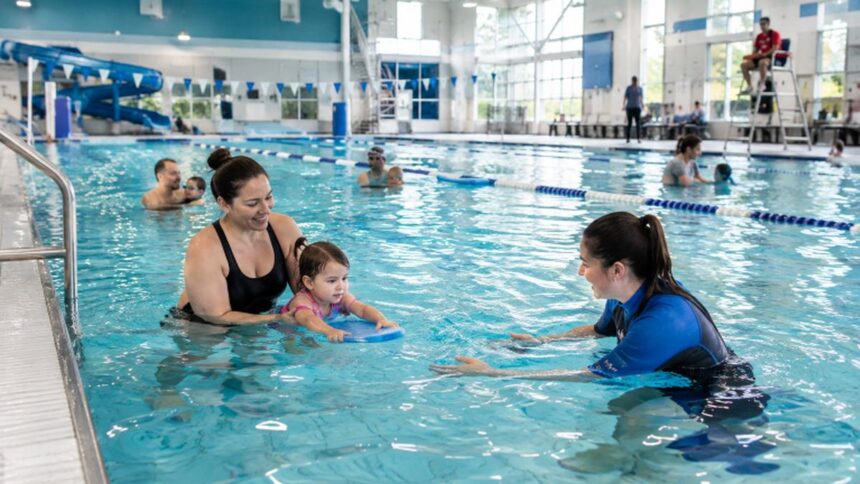
Swim Babies 1 provides babies with an early, structured aquatic experience through movement, sound, and tactile stimulation. Instead of treating infants as independent swimmers, this class centers on gentle exposure and positive interactions in the water. It can be a useful starting point for families who want their child to associate the pool with comfort, routine, and enjoyable caregiver participation.
Swim Babies 2
Swim Babies 2 continues the introduction to water with lessons designed to be fun, safe, and engaging for infants and toddlers. At this stage, progress may look different from one child to another. Some children become comfortable joining activities quickly, while others need time to observe, practice, and build trust. A thoughtful program respects individual differences rather than pushing a child beyond their readiness.
SwimTots
SwimTots introduces toddlers to water safety and swimming through structured lessons that build confidence and skills. SwimJim states that its experienced instructors tailor each session, making the program a good fit for children ready for greater independence in the water. The goal is early skill development within a positive learning environment, not an unrealistic promise that a toddler will always be safe around water.
More Read

When Should Parents Start Swim Lessons?
There is no universal starting point for every child. A family should consider the child’s age, physical development, comfort around water, prior exposure, health needs, and ability to take part in a group setting. Parent-child water classes can be a meaningful way to introduce babies to the pool, particularly when the experience is focused on comfort and connection.
The American Academy of Pediatrics says that swim lessons can begin for many children at age 1, while recognizing that children develop at different rates. For babies younger than 1, parent-child water play may be enjoyable and help build pool familiarity, but it should not be viewed as a way to make an infant safe in water independently.
How Does SwimJim Support Positive Learning?
Young children often respond well to predictable routines. Structured activities can help them know what to expect, while an experienced instructor can adjust the pace to a child’s comfort level and participation. Families can also ask practical questions before enrolling, including how instructors handle hesitant children, whether caregivers take part in the class, and how the program communicates a child’s progress.
A quality early-learning environment should never rely on pressure or fear. Children may need breaks, reassurance, or repeated practice before they are ready to try a new activity. Parents should view a child’s comfort, engagement, and gradual progress as meaningful signs that the class is a good fit.
What Should Parents Look for in Baby Swim Lessons?
When choosing a class, compare the program to your child’s current needs rather than selecting solely by age or convenience. A practical checklist includes:
- Class levels designed for babies, infants, and toddlers at different developmental stages.
- Instructors with experience teaching young children.
- Clear explanations of lesson goals and how progress is observed.
- Encouragement for parent or caregiver involvement when appropriate.
- A clean, well-maintained facility and safe operational practices.
- Class times and locations that make regular attendance manageable.
- A gradual teaching approach that respects a child’s temperament and comfort.
Can Baby Swim Lessons Prevent Drowning?
Swimming lessons can help children develop skills and water awareness, but no class makes a child drown-proof. Even children who have practiced floating, kicking, or moving toward an exit need close, focused adult supervision whenever they are in or near water. For infants and toddlers, an adult should remain within arm’s reach in case direct assistance is needed.
Families should maintain multiple layers of protection at home and away. These can include self-closing pool gates, barriers that fully separate a pool from the house, careful use of life jackets around natural water, and a designated adult who is actively watching rather than relying on a group to supervise.
How Can Parents Choose the Right SwimJim Class?
- Start with your child’s age, developmental stage, and current comfort in the water.
- Consider whether your child is new to aquatic activities or ready for more active participation.
- Compare Swim Babies 1, Swim Babies 2, and SwimTots based on the program descriptions and your child’s readiness.
- Ask SwimJim about class schedules, nearby locations, and caregiver expectations.
- Share relevant medical, sensory, or developmental considerations before enrollment.
- Use the first class to observe how your child responds to the instructor, routine, and pool environment.
Where Does SwimJim Offer Baby and Toddler Classes?
SwimJim offers swimming classes for families in New York and Texas. Its flexible scheduling and free trial class give parents an opportunity to see whether the setting and program level feel right before making a longer-term commitment. For many families, the best starting point is simply choosing an age-appropriate class and allowing confidence to develop one positive pool experience at a time.