


Allergy testing helps healthcare providers identify substances that may trigger allergic reactions and develop appropriate treatment plans. Advances in medical technology are introducing methods that may improve testing accuracy, efficiency, and convenience. Here is a closer look at the future of allergy testing:
Advanced Skin Testing Methods
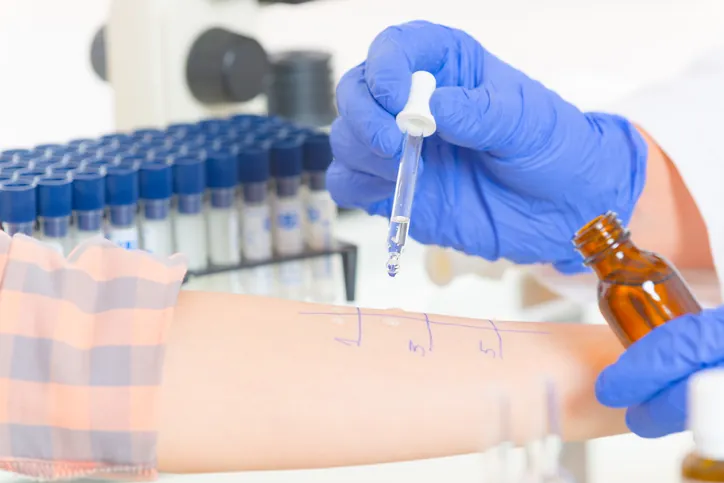
Skin testing is a common form of allergy testing. During a skin prick test, a clinician places small drops of possible allergens on the forearm or back and lightly pricks the skin’s surface. The clinician watches for raised, red bumps, and the size of each bump shows the strength of the reaction.
Digital Measurement Tools
Traditionally, a clinician measures each skin reaction with a ruler and records the result by hand. Researchers now test imaging systems that photograph the skin and automatically calculate the size of each reaction. These tools reduce differences between readers, and they create a digital record for later review.
Multi-Test Applicators
Multi-test applicators let a clinician apply several allergens at once with a single device. This design shortens appointment times, which can benefit young children who struggle to stay still. Manufacturers continue to refine these devices for more consistent pressure, aiming for reliable readings.
Innovative Molecular Allergy Testing
Molecular allergy testing examines the specific proteins inside an allergen rather than the allergen as a whole. Peanuts contain different proteins, and a person may react to one protein but not another. This detail helps an allergist identify a cross-reaction, which happens when the immune system responds to similar proteins in unrelated substances. Here are some of the practical advantages of molecular testing:
- Greater detail: Results point to the exact protein linked to a reaction.
- Cross-reaction insight: The test helps separate true allergies from look-alike responses.
- Risk discussion: Research links certain proteins to stronger reactions, giving the allergist more context for planning.
- Clearer food guidance: Specific results help families and allergists discuss which foods truly need to be avoided.
Modern Blood Testing Techniques
Blood testing measures immunoglobulin E (IgE), an antibody the immune system produces in response to allergens. A lab analyzes a blood sample, and the allergist interprets the results alongside your history. This option may suit people who take antihistamines, have widespread skin conditions, or cannot undergo skin testing for other reasons.

Newer blood tests screen a large panel of allergens from a single sample. Some developers also work on finger-prick collection, which reduces the need for a standard blood draw. While these methods continue to develop, some allergists already use several of them in specialized settings.
Personalized Approaches to Diagnosis
Personalized allergy diagnosis combines test results, medical history, and lifestyle details into one complete picture. An allergist reviews when symptoms appear, what exposures occur at home or school, and how reactions change over time. Electronic health records store this information, and some systems now organize results into easy-to-read summaries.
Researchers also explore software that analyzes patterns across large sets of test data. These tools support the allergist’s judgment, but they do not replace a professional evaluation. When families share accurate details about diet, environment, and past reactions, the allergist can build a more personalized plan.
Schedule Your Allergy Testing Appointment
Allergy testing is a fundamental step in identifying triggers and creating an effective management plan. Tools such as advanced diagnostic software and personalized evaluations help allergists better understand each patient’s unique needs. Patients and their families can enable allergists to design tailored strategies that improve quality of life by sharing accurate details about diet, environment, and reaction history. Contact a qualified allergist near you to schedule your allergy testing appointment today.